
Blog
What Is Circular Economy at Micro Level?


Circular economy at micro level means applying circular economy principles—reduce, reuse, and recycle—at the smallest unit: your home.
Instead of following a traditional linear system:
Use → Waste → Discard
A micro-level circular system works like this:
Use → Reuse → Recover → Reduce fresh consumption
In simple terms, it’s about making the most of what you already have, especially essential resources like water, energy, and household materials.
Why It Matters for Indian Homes
India is facing increasing water stress, rising utility costs, and growing urban waste. Yet, most Indian homes already generate reusable resources—they just go to waste unknowingly.
Common examples in Indian households:
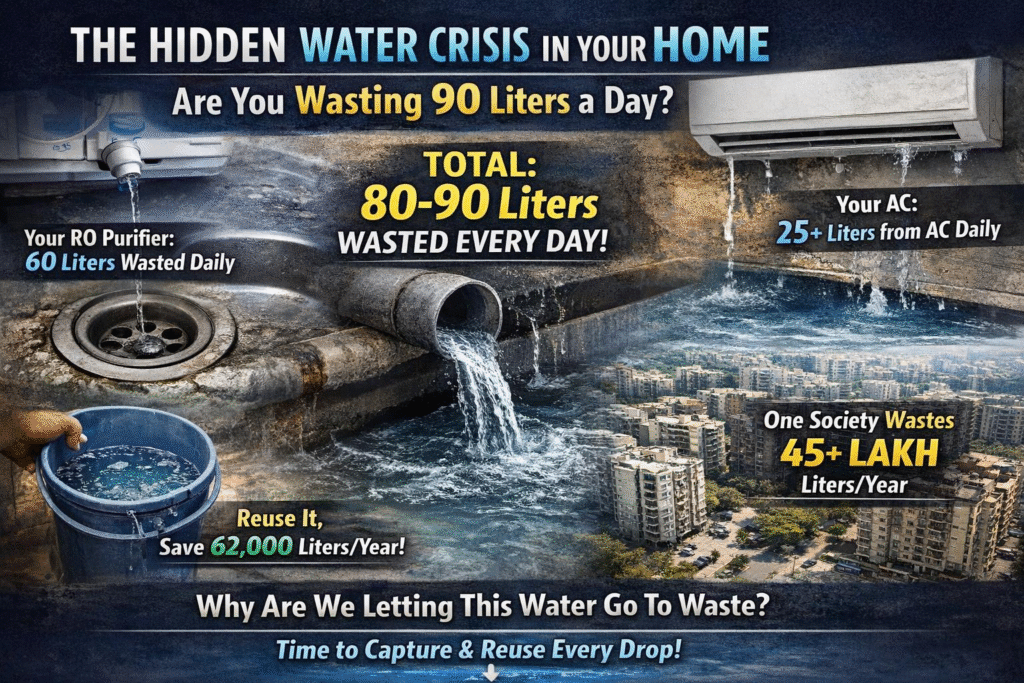
- RO systems reject nearly 50–70% of water
- Air conditioners (ACs) release 10–20 litres of water per day during summer
- Bathrooms produce reusable greywater
At a micro level, every household can become part of the solution—without expensive infrastructure or complex systems.
Pro Tip: Circular economy works best when it starts at home—because real scale comes later.
How Circular Economy at Micro Level Works
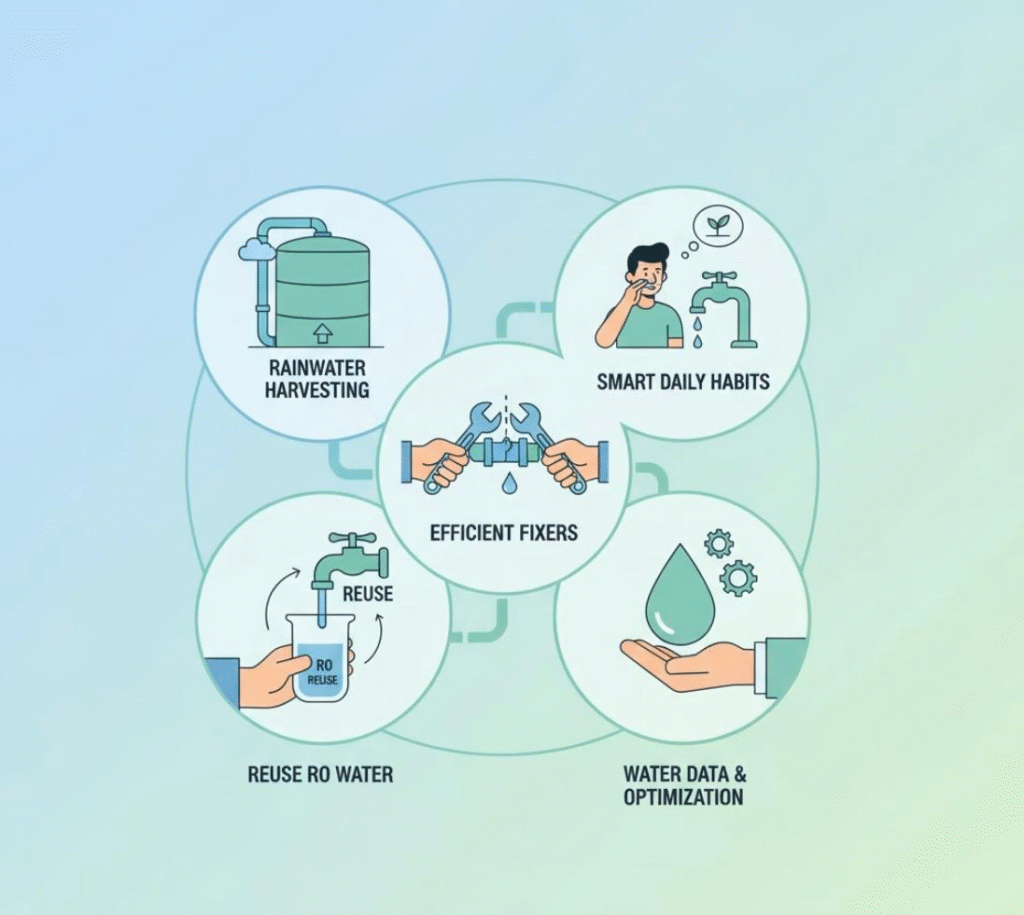
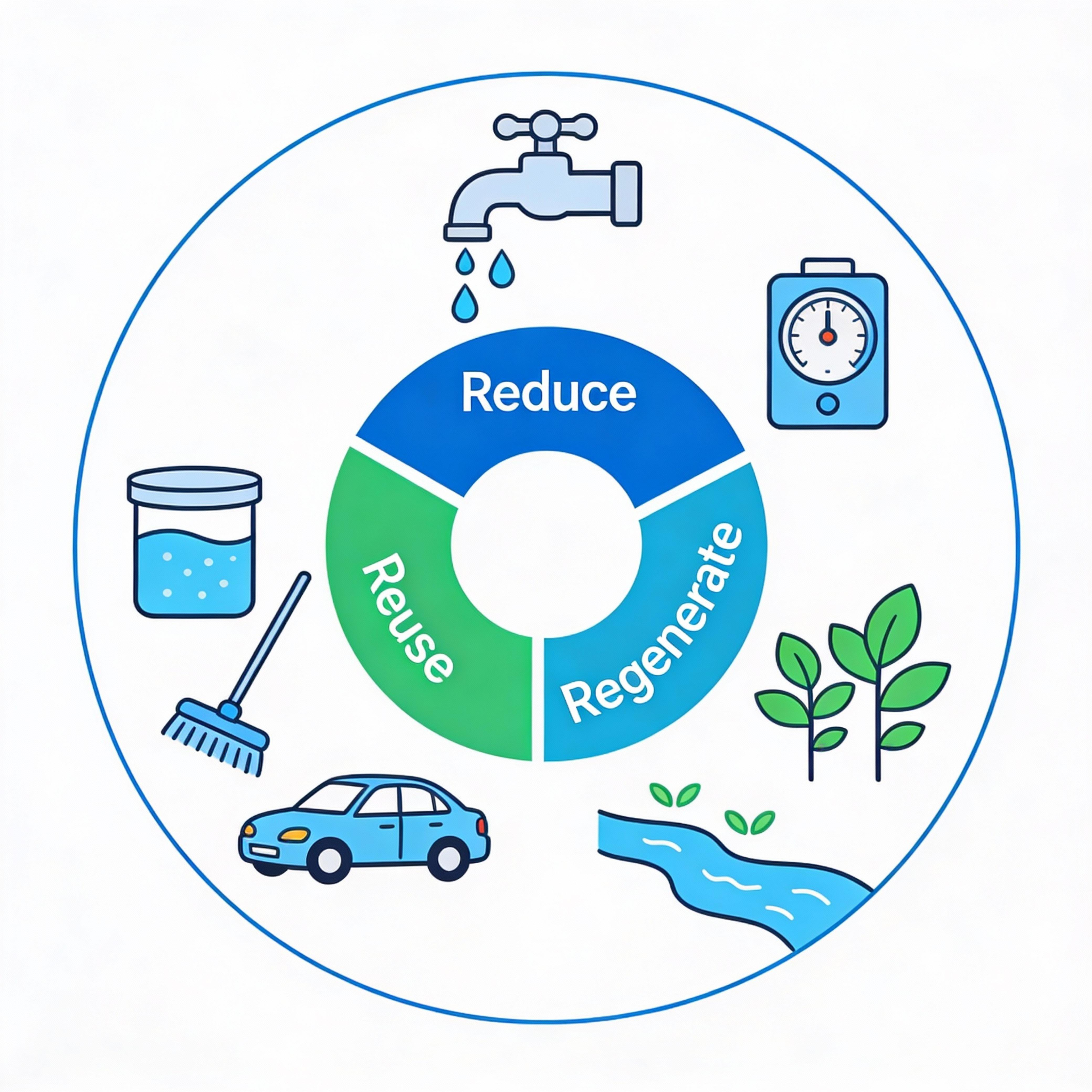
At the household level, the circular economy operates through three core actions:
1. Reduce
- Lower dependence on fresh water
- Avoid unnecessary wastage
- Use efficient appliances and mindful habits
2. Reuse
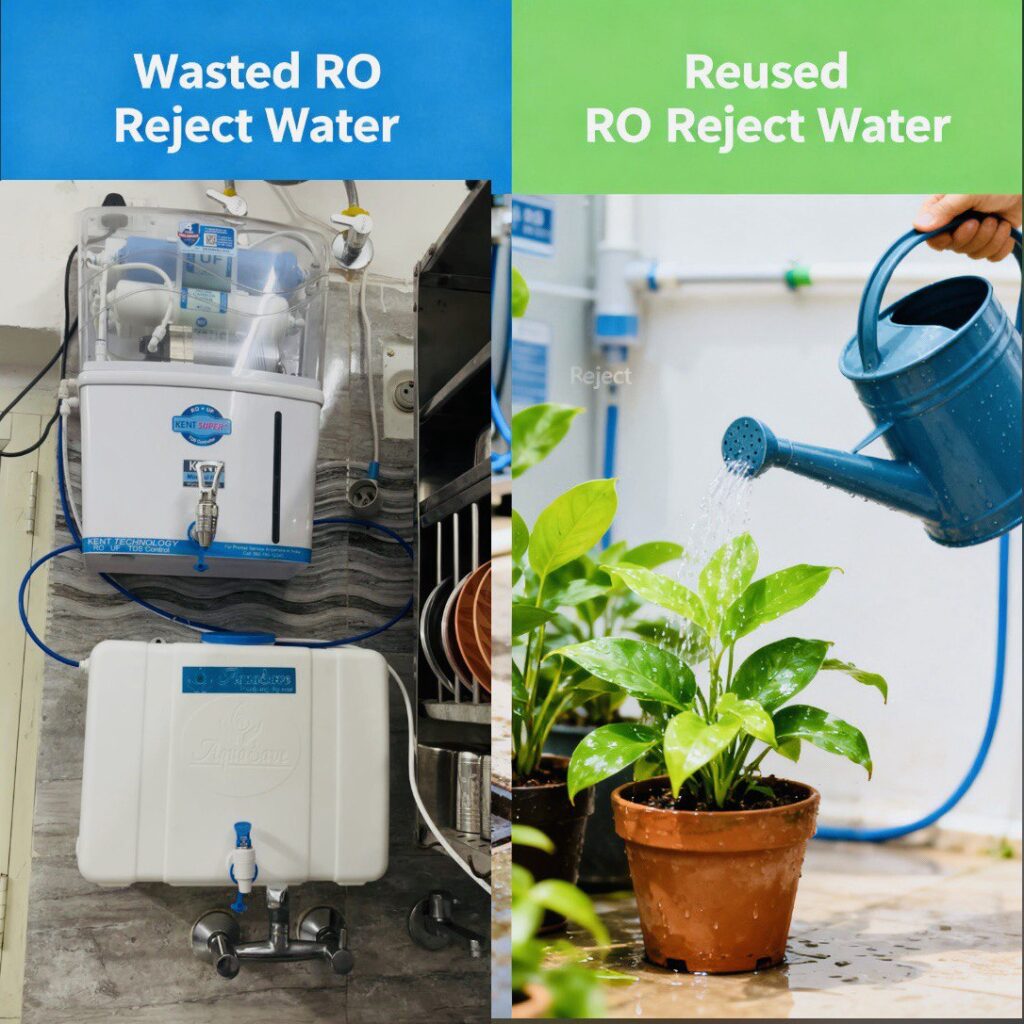
- Collect RO reject water
- Reuse AC condensate water
- Repurpose bathroom greywater
3. Regenerate
- Use reused water for cleaning, gardening, and toilet flushing
- Reduce pressure on groundwater and municipal supply
This closed-loop approach creates sustainability without sacrificing comfort or lifestyle.
Water Conservation: The Best Starting Point
Among all resources, water is the easiest and most impactful place to begin circular living.
Why focus on water?
- Used daily in every home
- High wastage potential
- Immediate cost savings
- Simple and affordable reuse technology available
Key Household Water Sources
| Water Source | Daily Waste | Reuse Potential |
|---|---|---|
| RO Reject Water | High | Cleaning, mopping, gardening |
| AC Condensate | Medium | Plants, toilets |
| Bathroom Greywater | High | Flushing, floor cleaning |
With proper storage and routing, this water becomes a valuable resource—not waste.
Step-by-Step: Creating a Micro Circular System at Home
Step 1: Identify Waste Water Sources
- RO outlet pipe
- AC drain pipe
- Bathroom outlet
Step 2: Install a Collection System
- Use wall-mounted or compact storage tanks
- Ensure food-grade, durable material
- Place tanks near the source to avoid pumping
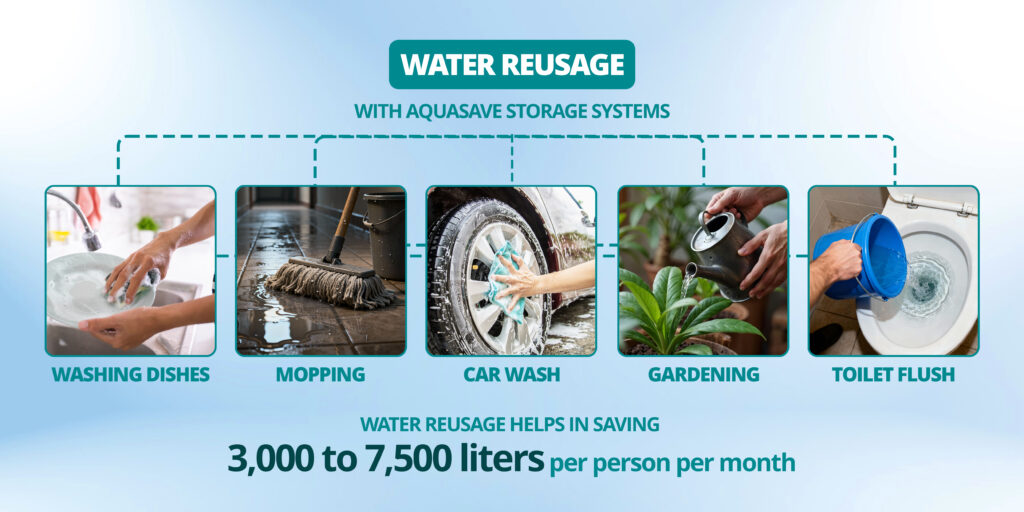
Step 3: Define Reuse Applications
- Floor cleaning and mopping
- Toilet flushing
- Car and balcony washing
- Garden irrigation
Step 4: Build a Habit Loop
- Create daily water-use awareness
- Involve all family members
- Add simple labels like “Reuse Water Only”
Mini Checklist
☐ RO reject water collected
☐ AC water reused
☐ Fresh water used only where needed
Real-Life Home Examples
Example 1: Apartment with RO + AC
A 3-member family reuses 80–100 litres of water per day by collecting RO reject and AC water—saving over 30,000 litres annually.
Example 2: Independent Home with Garden
Greywater and RO reuse support daily gardening needs without relying on groundwater.
These are real, practical, and repeatable micro circular systems.
Benefits for Indian Household Shoppers
- 💧 Lower water bills
- 🌱 Reduced environmental impact
- 🏠 Higher home sustainability score
- 🛒 Smart investment, not an expense
- ♻ Easy installation with low maintenance
Circular economy at micro level is cost-effective sustainability for everyday homes.
Common Myths About Circular Living
Myth: Circular economy is only for industries
Truth: Homes are the foundation of circular change
Myth: It’s expensive
Truth: One-time setup with long-term savings
Myth: It’s complicated
Truth: Easier than most household appliances
Conclusion & Call to Action
Circular economy at micro level is not a future concept—it’s already achievable in your home today.
By reusing water smartly, Indian households can:
- Reduce waste
- Save money
- Protect precious water resources
- Live sustainably without compromise
Ready to start your circular journey?
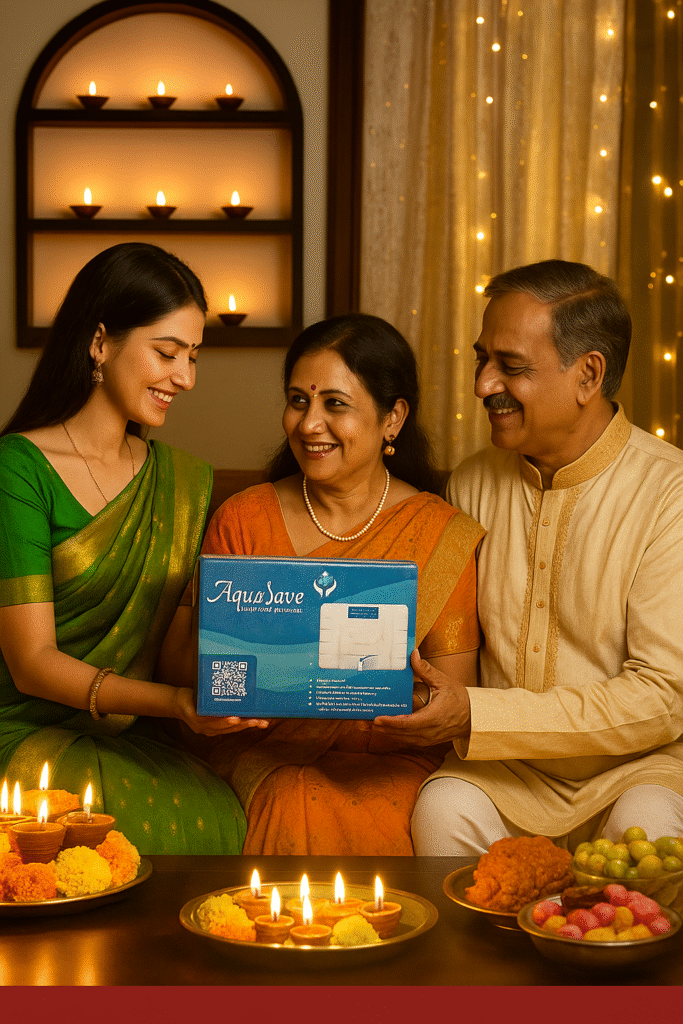
👉 Shop AquaSave Home Sustainability Solutions
Explore RO reject water storage and reuse systems designed specifically for Indian homes.
🔗 Shop Now:
FAQs
1. What is circular economy at micro level?
It is the practice of reducing and reusing resources at the household level to minimize waste.
2. How does water reuse support sustainability?
It lowers freshwater demand and reduces environmental stress.
3. Can RO reject water be reused safely?
Yes, for non-drinking purposes like cleaning, gardening, and flushing.
4. Is this suitable for apartments?
Absolutely. Compact systems work well even in small flats.
5. Does it require major plumbing changes?
No. Only minimal outlet routing and storage setup is needed.